Low Dutch angle
Tipped and looking up at once. Comic-book villains, fights, nightmares.
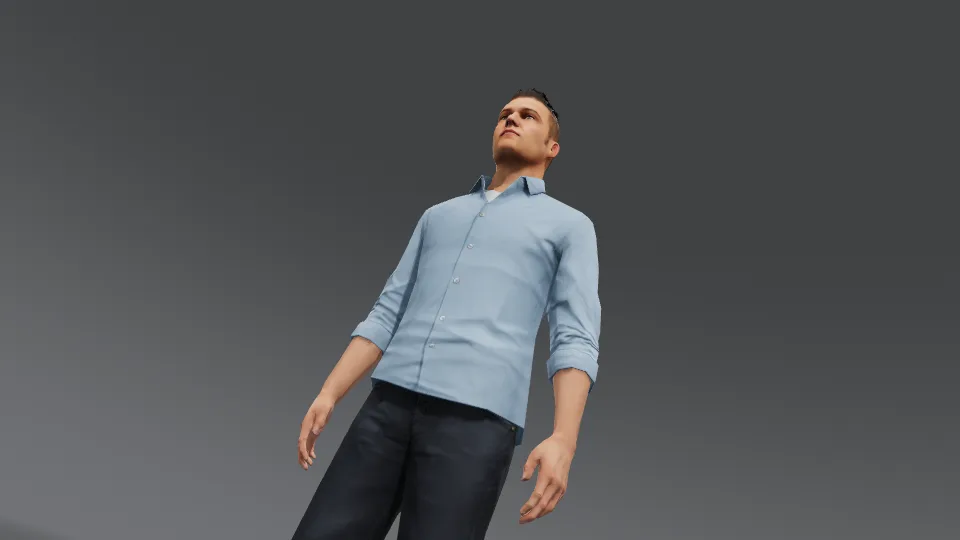
- Height
- 0.5 m
- Distance
- 1.35 m
- Tilt
- 30° up
- Lens
- 24 mm
- Roll
- 18°
- Size
- Medium shot
What it does
Two choices work together. The low camera looks up, so ceiling or sky lies behind the subject and the head is farther from the lens than the legs. The roll slants every upright line, and a standing body becomes a diagonal. Low angles are often used for power and Dutch angles for unease, so the pair can stand for threat.
When to use it
A possessed doll on a staircase, a masked wrestler on the ropes and the final blow of a brawl are fitting subjects. Thrillers often use it as well when a villain steps into the room.
Writing the prompt
Spell out both parts: "low Dutch angle, camera near knee height looking up, frame rolled 20 degrees". Name beams or door frames behind, since straight lines make the tilt easy to see.
Easily mixed up with
Low Dutch angle
Tipped and looking up at once.
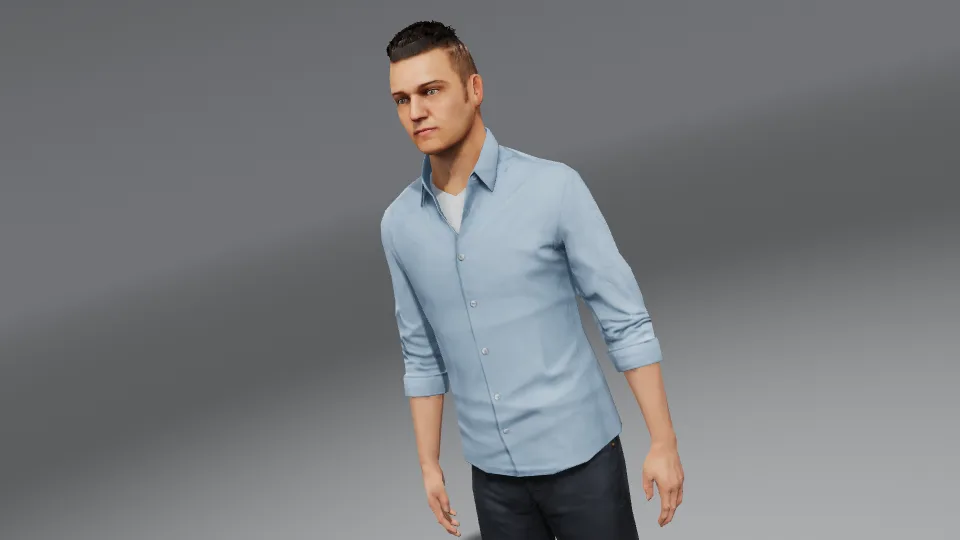
Dutch angle
Rolled only, often at eye level, without the upward look.
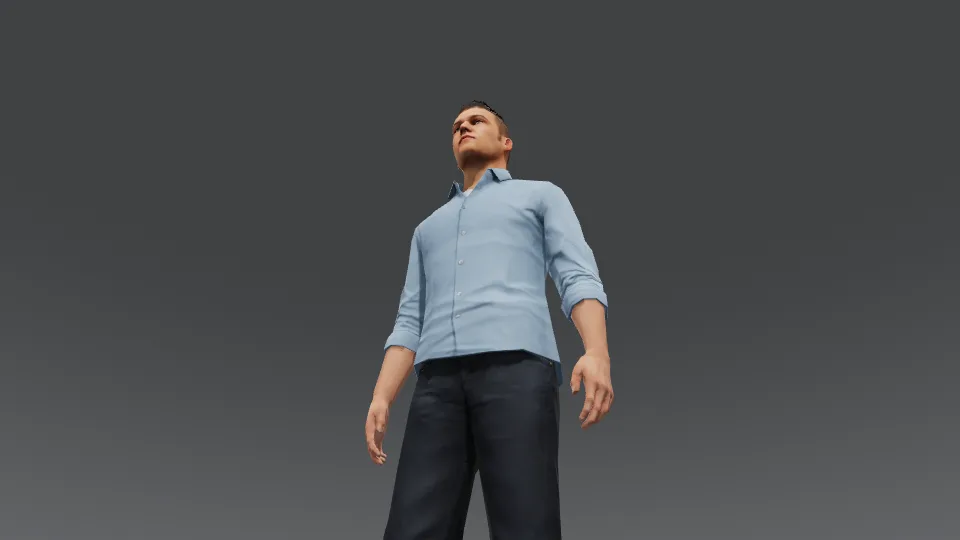
Extreme low angle
Looks up from near the floor too, but the frame is held straight.