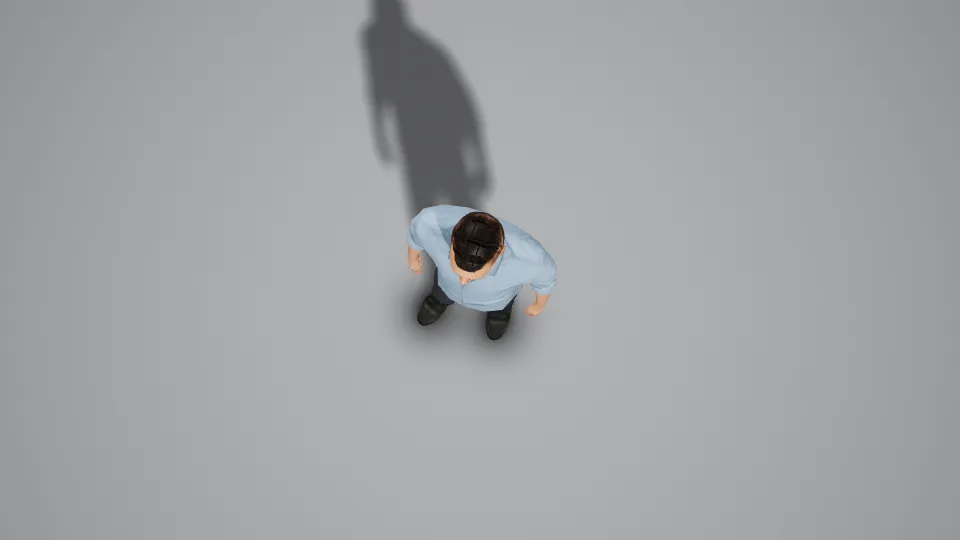
Bird's-eye view
Almost straight down from above.
Maps, crowds, patterns, a figure alone in a space.
How high is the camera, and which way does it tilt?
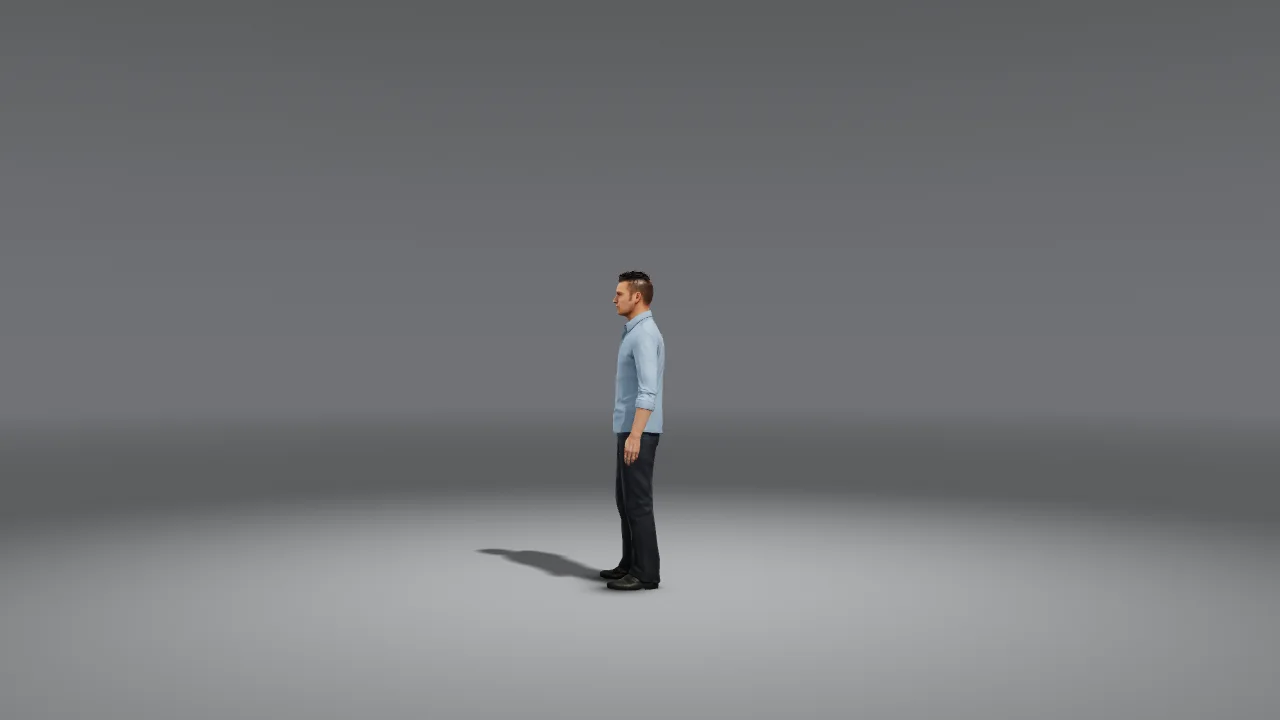
Angle is where the camera stands against the eyes of the subject. A low angle is commonly used to make a subject look powerful, a high angle to make them look small, and eye level is neutral.
Two things decide the name: where the camera stands against the eyes, and whether it tilts. A camera on the floor that stays level is a ground-level shot. Tip it up and it becomes a low angle.
Almost straight down from above.
Maps, crowds, patterns, a figure alone in a space.
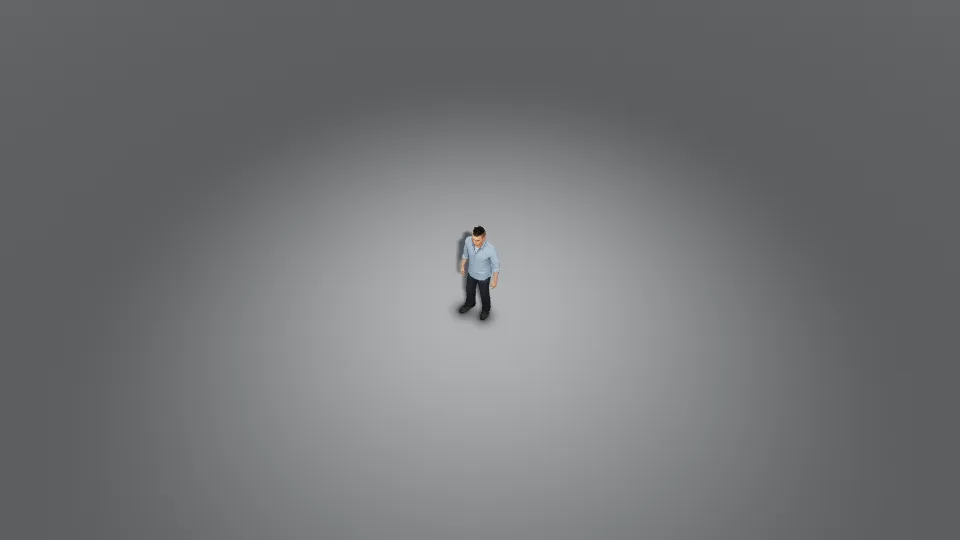
From far above, at a slant.
Opening a place, showing distance.
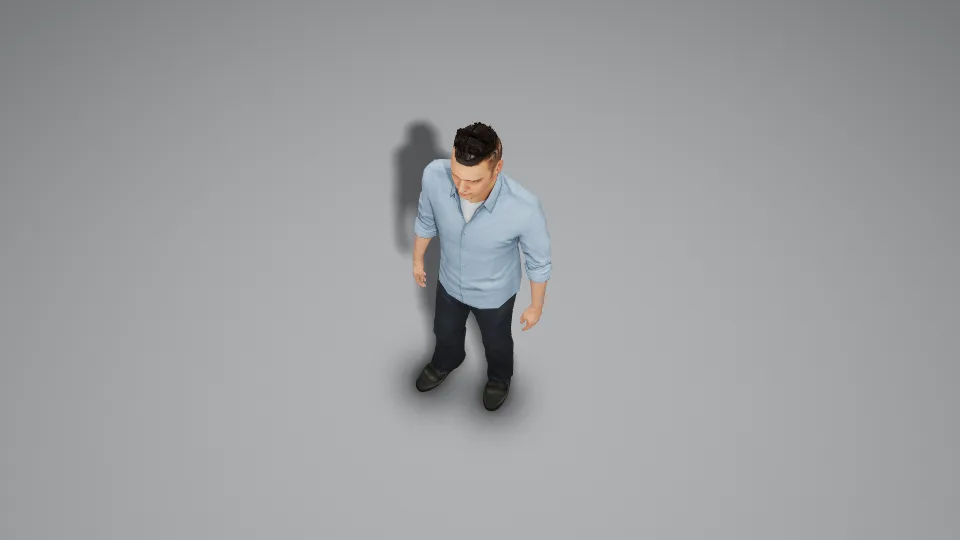
Steeply down, but not straight.
Defeat, surveillance, being watched.
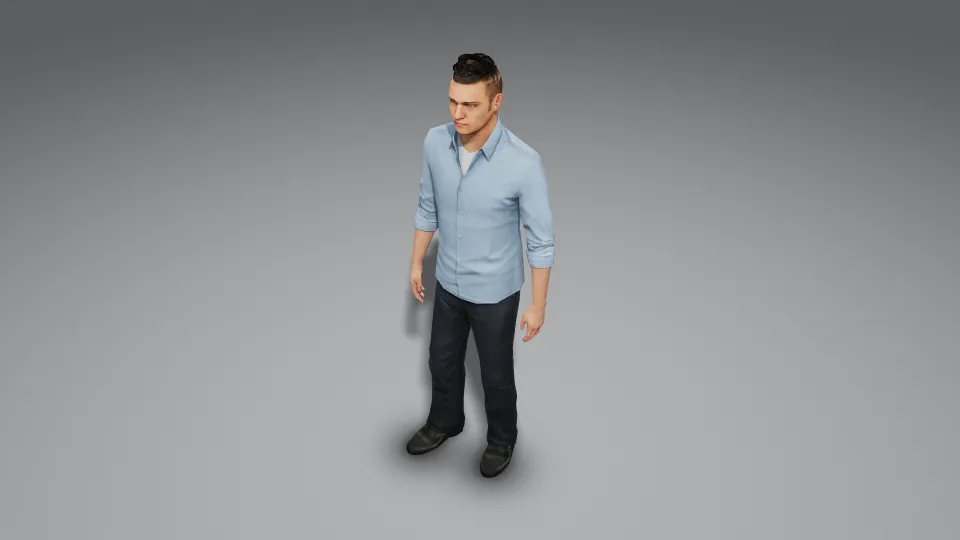
Above the eyes, tilted down.
Makes a subject look small, exposed or outnumbered.
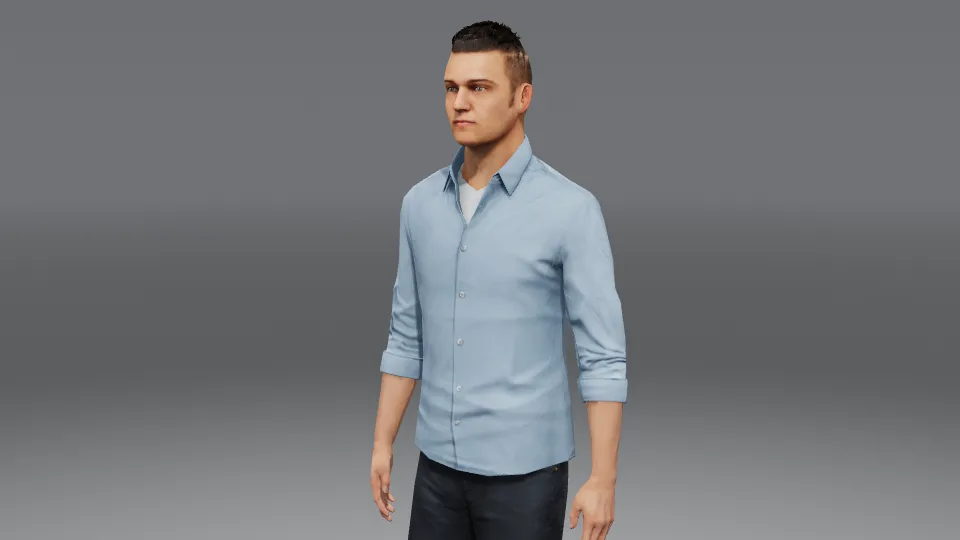
At eye height, held level.
Conversation, interviews, anything that should feel neutral.
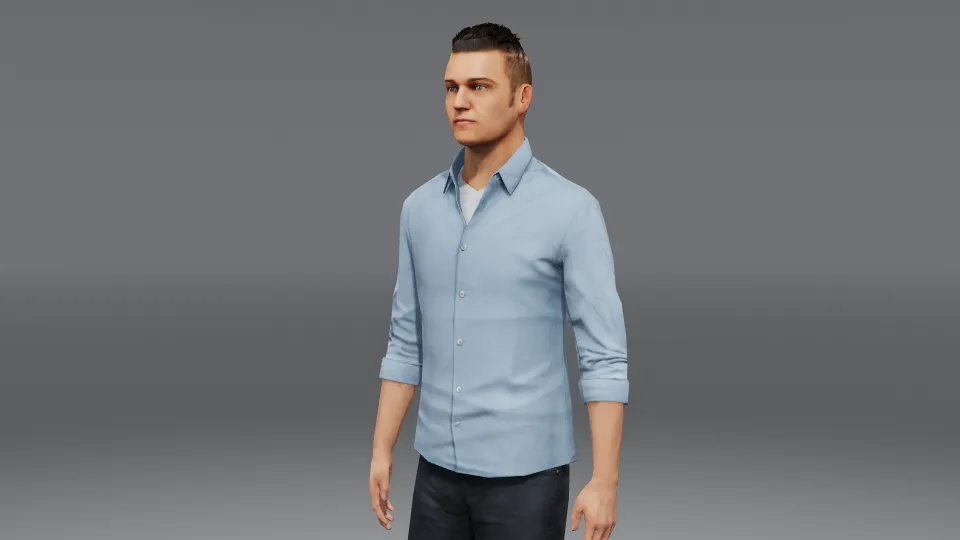
At shoulder height, held level.
A common working height for dialogue.
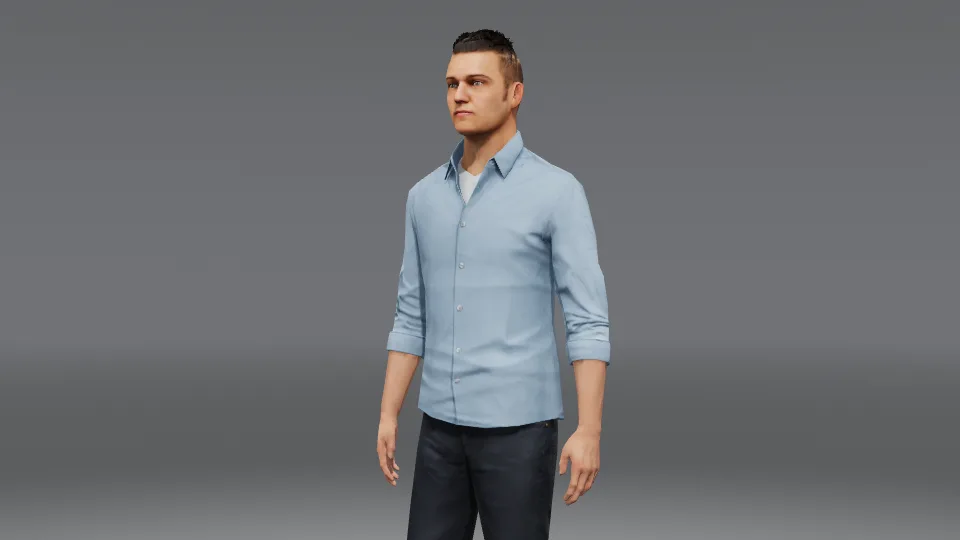
At chest height, held level.
Medium shots and portraits from slightly below the eyes.
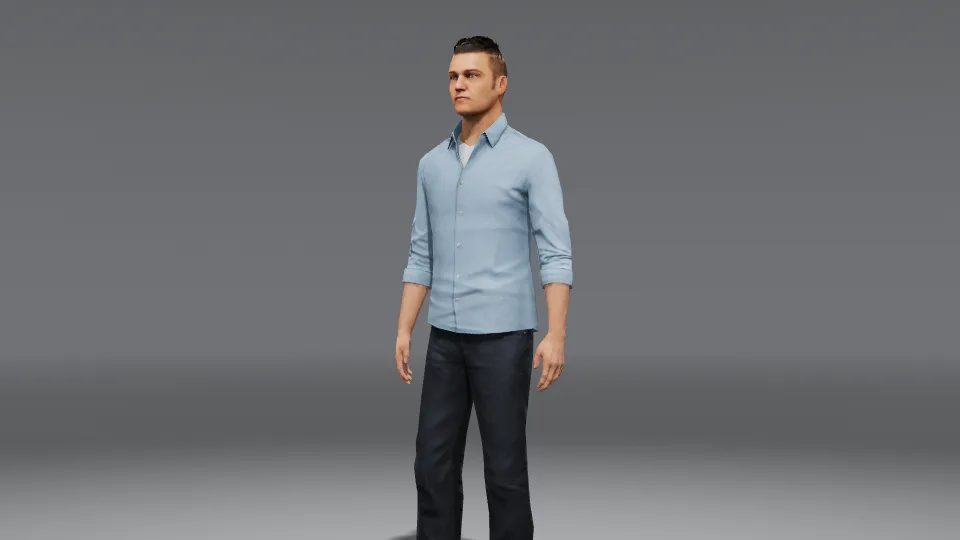
At the hips, held level.
Hands at work, a bag, a draw from the holster.
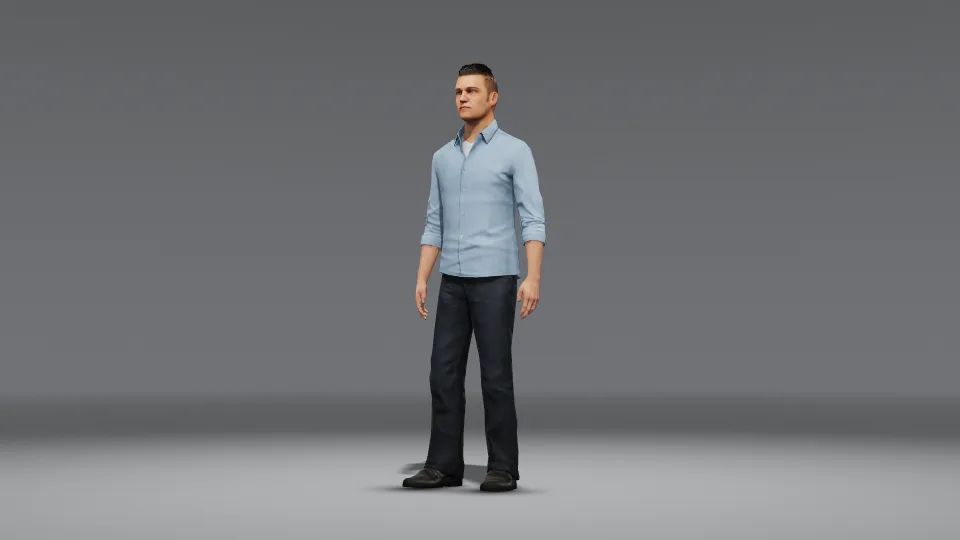
At the knees, held level.
Walking, running, children and pets.
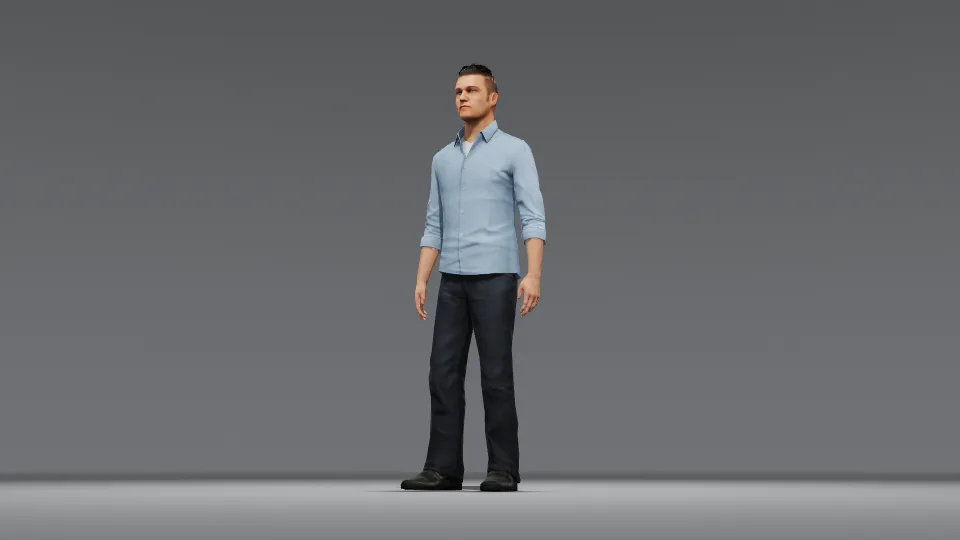
On the floor, held level.
Footsteps, entrances, racing cars, low fog.
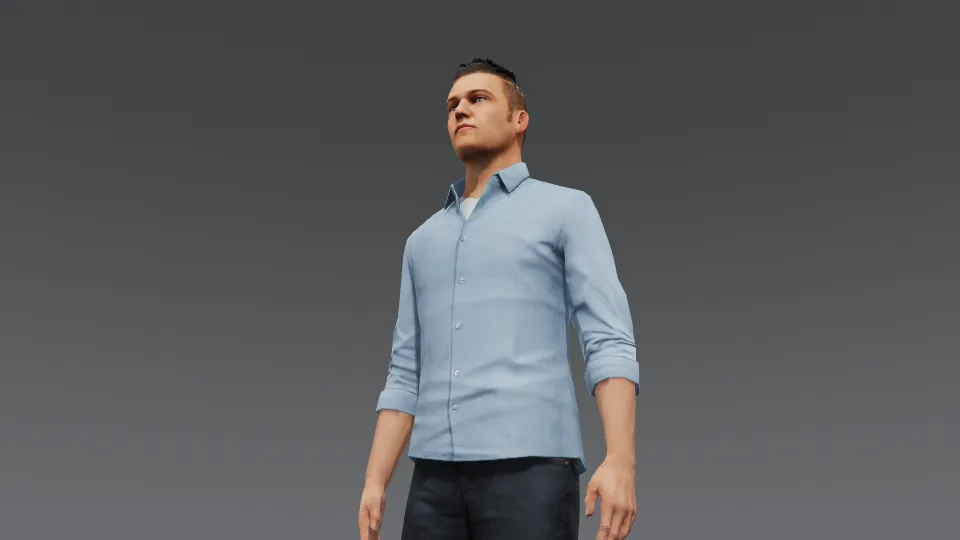
Below the chest, tilted up.
Makes a subject look strong, proud or threatening.
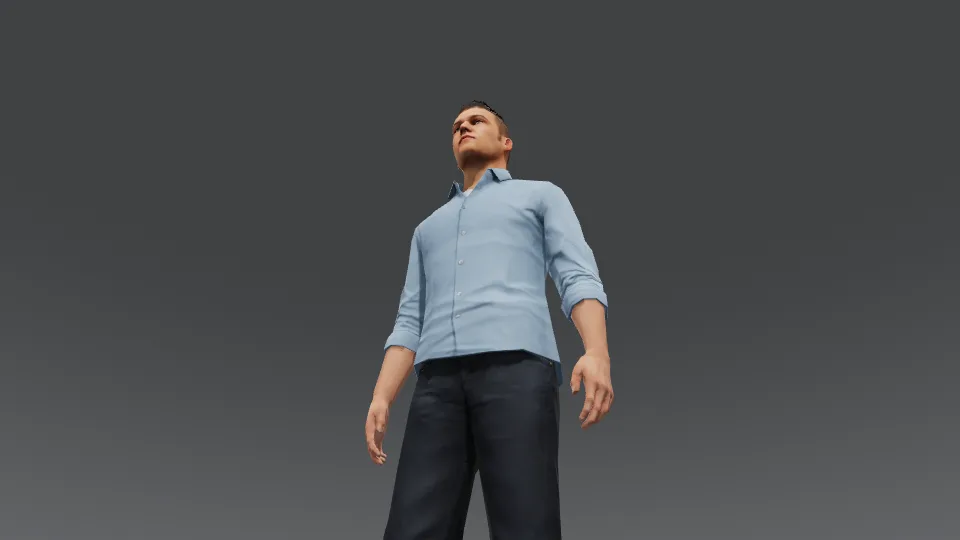
Near the floor, tilted far up.
Villains, giants, heroes against the sky.
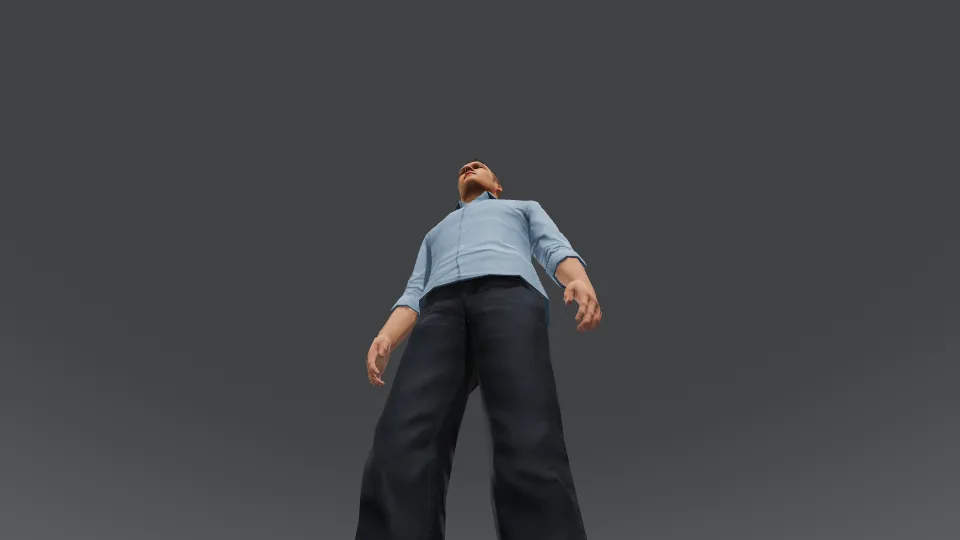
From the floor, tilted steeply up.
Towers over us: buildings, trees, a hero landing.
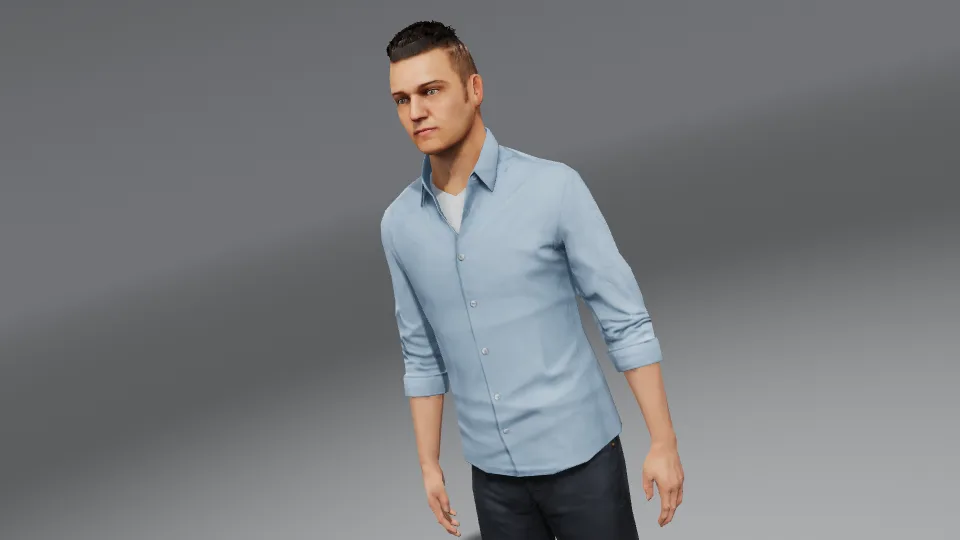
The horizon tips to one side.
Unease, madness, a world off balance.
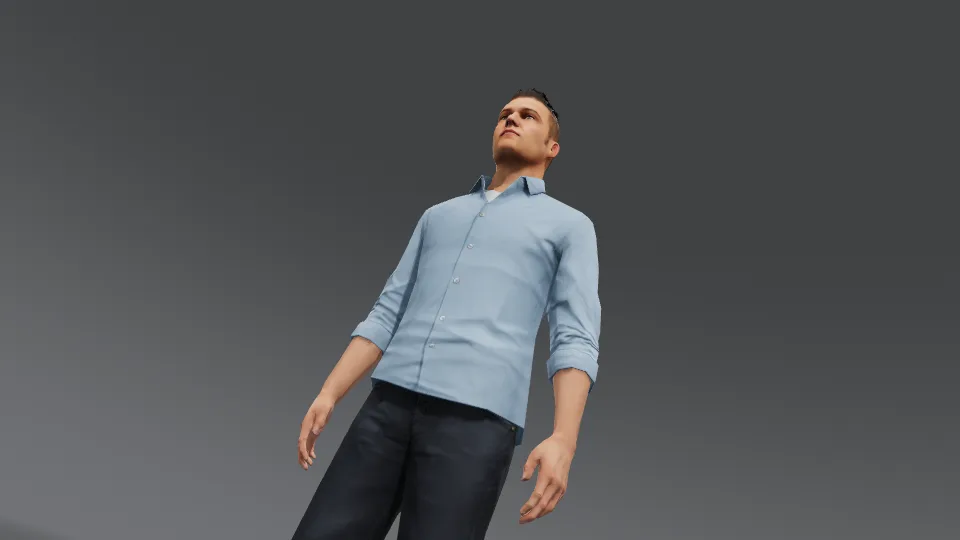
Tipped and looking up at once.
Comic-book villains, fights, nightmares.